![Automate[it] - Home Automation](https://automateit.co.za/wp-content/uploads/2022/12/Automate-it-fin-01-1-768x180.jpg)
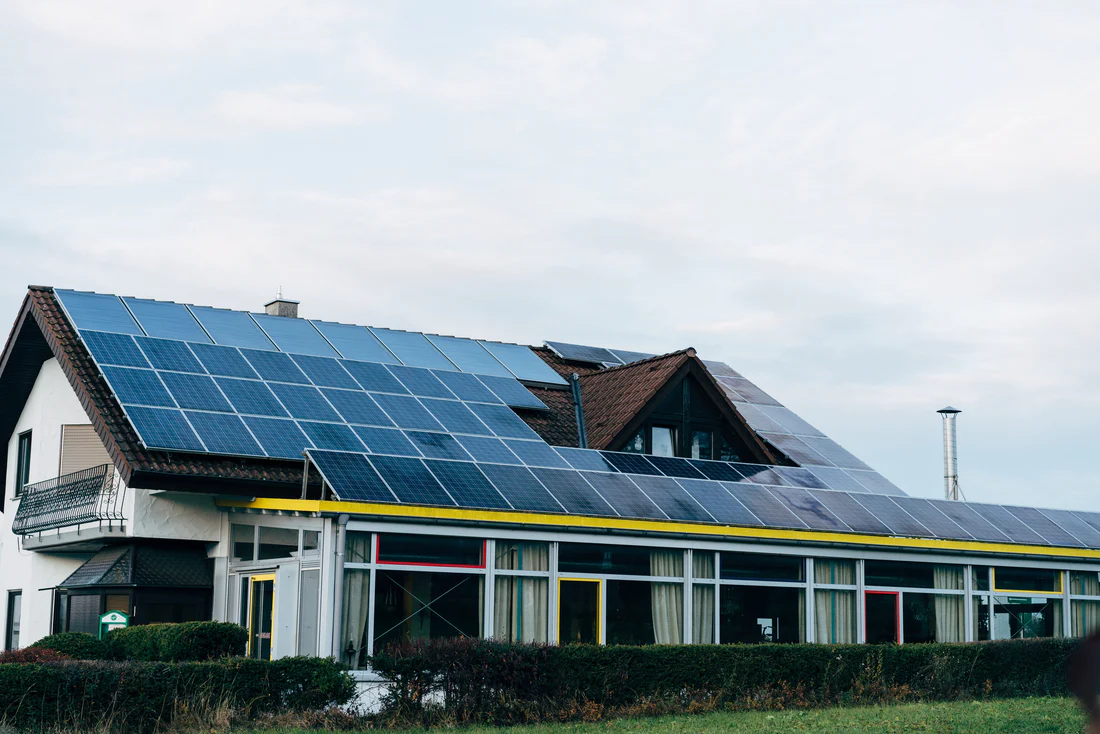
With the ongoing electricity crisis in South Africa, many people have resorted to installing solar systems on their properties to ensure a constant electricity supply. Although this may have been the primary motivator for moving over to a solar system, there is an expectation that the system will also reduce overall grid reliance and, therefore, create an electricity saving. This is not always the case…
Do solar systems actually save money?
While there are some really amazing inverters available today, the biggest issue is the lack of smart control over household appliances. Because so many solar installations leverage existing appliances that are not “smart” – the basic sizing principle is for the inverter to handle all loads that could simultaneously be placed on it. Apart from this, many installers will rely on past experience and simply install a standardised system based on historic electrical consumption. For the most part, many heavy appliances will be left out of the solar solution.
Looking at a practical example to explain this.
Tim wants a solar installation and the system must be able to handle his TV, computer, lighting, some plugs, internet and security system. The installer asks Tim to provide him with his electricity bill for the last few months and determines that a 5000w solar system is required. Tim goes ahead with the installation and is quite happy he no longer sits in the dark with the rest of the country. However, he soon discovers very little change in his electricity bill.
This is because his solar installation is not powering any of the meaningful appliances that contribute to high electricity usage. Tim’s conventional geyser (with a 3000w element) was not added to the solar system as there was no way to control the simultaneous loads on the inverter – if the installer had added the geyser, it would have likely tripped the whole system. As such, he left the geyser to run off of grid power and Tim has foregone the potential saving on this appliance.
If Tim had a 7kWh battery backup paired to his solar system. It would only take an hour or so of optimal sunlight to charge those batteries back up to 100%. Now, as Tim has no meaningful loads on his inverter, his solar production would drop from 5000w all the way down to near nothing as the system would go into an idle state. At this point, Tim’s solar panels are doing nothing more than looking pretty on the roof.
With the setup configured in this way, there would be virtually no savings gained.
How do I optimise my existing solar system?
In order to optimise the solar system, you simply need to maintain a constant load on the inverter during daylight hours. By doing so, you will then force an increase in solar production and energy utilisation. This is where smart control and automation become essential.
By installing smart devices to existing appliances and then controlling these devices through automation, we are able to leverage an existing setup and optimise solar production and solar utilisation.
But what happens when there’s load shedding, will the geyser not deplete the batteries? Again, this is where smart control and automation are vital. We’ve taken all of this and many other factors into account and will ensure optimal production during the day, and battery preservation when you need it most. Our system will prevent heavy appliances from either turning on or depleting your batteries beyond a certain threshold, therefore, ensuring you aren’t left in the dark.
To find out more about our energy optimisation solution, click here.
I haven’t installed solar yet.
This will work to your benefit. As mentioned above, many systems are designed around the principle of handling simultaneous loads. By optimising the system before installation, we can create significant savings by specifying a smaller, more efficient solar solution. As such, you would benefit from a lower capital outlay and a greater return on your investment.
If you haven’t installed a solar system yet, we have partnered with trusted solar installers and can provide you with an end-to-end optimised solution. Click here to contact us to begin your solar journey.